Motion design is often seen as a visual enhancement, but its true value goes far beyond aesthetics. When used thoughtfully, motion helps guide users
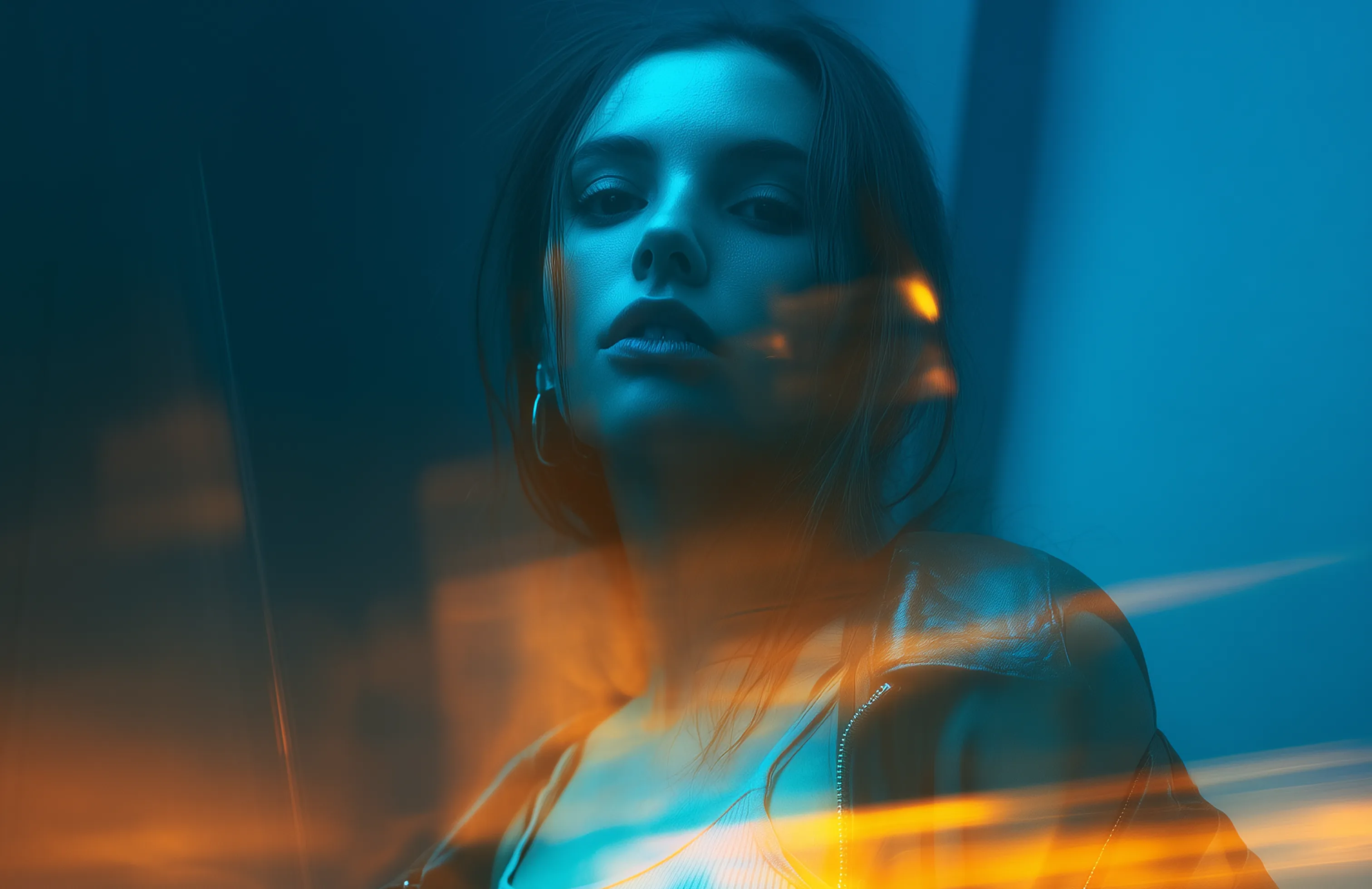
Motion design is often seen as a visual enhancement, but its true value goes far beyond aesthetics. When used thoughtfully, motion helps guide users, communicate hierarchy, and create a sense of flow within digital experiences. It plays a functional role in how people understand and interact with products and brands.
Well-designed motion provides feedback and context. Simple transitions can show cause and effect, loading animations can reduce perceived waiting time, and micro-interactions can make interfaces feel responsive and intuitive. These subtle moments build trust and clarity without demanding attention.
The key is restraint. Motion should support the experience, not compete with it. By focusing on timing, easing, and purpose, designers can create animations that feel natural and intentional—enhancing usability while elevating the overall experience.
A creative studio crafting motion-driven experiences for brands and digital products.
